Fire wardens sit at the sharp end of work environment security. When smoke is in the stairwell or an alarm system triggers mid-shift, people search for calm direction. A properly designed fire warden course does more than hand down concept, it builds sensible capability under stress. Evaluation is where that proficiency is proven. The strongest training courses mix realistic circumstances, hands-on drills, and clear knowledge checks straightened to nationwide devices of competency such as PUAFER005 and PUAFER006.
This overview walks through how credible assessments are structured, what assessors try to find, and just how students can prepare without guesswork. It makes use of the units most organisations use in Australia to train wardens and primary wardens, together with everyday lessons from genuine discharges and exercises.
What the training is constructed on
Most fire warden training in Australia maps to 2 core devices within the general public Safety And Security Training Package:
- PUAFER005 operate as component of an emergency control organisation. This device underpins fire warden training for flooring wardens, location wardens, and replacement functions. Prospects find out to interpret the emergency situation plan, react to various threats, and accomplish initial evacuations and communications. PUAFER006 lead an emergency control organisation. This is the chief warden course for those that collaborate the total response, short wardens, communicate with emergency solutions, and make the tough calls on partial or full evacuation.
Some companies run a mixed warden course, after that add a chief warden stream for those tackling leadership obligations. The analysis needs to reflect the obligations a student will keep back at work. A tiny single-storey workplace requires different deepness to a health center or distribution centre. Good fitness instructors tailor the scenarios accordingly.
The function of evaluation in competence
Fire warden efficiency is observable. Either a warden determines the best egress path when an exit is jeopardized, or they funnel individuals into a dead end. Evaluation therefore leans heavily on useful observation versus clear requirements. The knowledge examination issues, but it is the demonstration under substitute conditions that verifies readiness.
In method, assessment is staged. Learners initially complete reading and pre-course jobs such as evaluating the website emergency situation plan. Throughout the program, they show discrete skills, like operating a fire sign panel in isolate mode, and afterwards those abilities are exercised together in a timed situation. The last task examinations decision making with insufficient info, which mirrors actual incidents.
Practical abilities you will be asked to demonstrate
Most fire warden programs structure the useful around three clusters: recall and interaction, evacuation management, and tools checks. A common PUAFER005 course will call for a learner to do the adhering to during assessment:
- Use the facility emergency situation warning and publication system to provide clear directions. This includes tone of voice, message content, and brevity. In a drill, I listen for a crisp initial message that determines the alert, area, and activity called for, adhered to by organized updates. Too many words create complication and block the system. Conduct a systematic move. The assessor will view whether you examine all spaces off a rational path, consisting of toilets, storage rooms, and peaceful areas. You will be expected to identify threats on the course. In a recent analysis for a manufacturing website, a prospect identified an obstructed leave behind a pallet we had actually organized there for the situation, reported it, and rerouted web traffic without drama. That is what we wish to see. Manage prone owners. This can include mobility device users, site visitors without induction, and staff that freeze. The warden needs to ask for support, assign a pal, and select a sanctuary location if traveling down the stairwell is risky or as well slow. Operate a portable extinguisher securely within range. Not every warden will be evaluated on real-time fire strike, but several training courses include a regulated simulator. The assessor tries to find PASS method, proper selection for the fuel course, examining the nozzle far from the fire, sweeping at the base, and hideaway if the fire is not torn down swiftly. We also check judgment. Some fires should not be struck whatsoever, as an example lithium battery fires past incipient stage, or anything entailing stimulated switchboards without ideal snuffing out media and training. Account for individuals and report status. On the setting up area, the warden checks roll checklists or headcount systems, notes last known locations for missing individuals, and communicates succinct sitreps to the chief warden. Unclear statements like "I think degree two is clear" will not pass. We want "Level two west wing removed at 10:06, plant space hard to reach because of smoke, service provider from Delta heating and cooling unaccounted for, last seen near AHU 2."
For PUAFER006, which concentrates on management, assessment shifts to approach and control. A chief warden candidate will certainly be expected to:
- Interpret the fire sign panel and zone representations to triangulate the likely seat of the concern. When multiple detectors in different zones activate, the assessor seeks exactly how the prospect deals with the picture with readily available info from wardens. Decide in between localised administration and dynamic discharge. Good choices weigh smoke spread, occupancy, time of day, weather, and the honesty of stairwells. An usual mistake is ordering a complete website discharge too early, which can take important paths far from fire staffs and interrupt compartmentation strategies. Manage interactions self-control. Only appropriate, time-stamped updates need to discuss the radio. The chief warden sets that tone and cops radio clutter. Liaise with emergency situation services. A strong handover sounds like a 30-second quick: case kind, location, systems status, persons unaccounted for, threats on website such as oxygen cylinders or high rack storage, and what has been done so far. I have seen the distinction that a tidy handover makes, particularly when teams arrive mid-change of change and the site is noisy and chaotic. Maintain situational understanding under tension. The assessor will throw in a curveball, such as a 2nd alarm system on a different floor or a medical emergency at the assembly point. The prospect needs to hand over and stay clear of getting dragged into tactical tasks.
How knowledge is analyzed and why it matters
Knowledge tests in a fire warden course are not regarding memorizing memory. They confirm the student can apply principles to their website. Still, anticipate to answer multiple-choice and short-answer questions on the following:
- Emergency plan material and functions within the emergency situation control organisation. For PUAFER005 operate as part of an emergency control organisation, this includes understanding wardens, chief warden, interactions policemans, and first aiders, and just how these roles communicate under AS 3745. Alarm states and tones. You ought to acknowledge alert and emptying tones, recognize that authorizes emptying, and what to say over the public address. Fire classes and extinguisher option. A foam extinguisher on a stimulated electrical fire is a traditional catch. Powder and co2 prevail for electric, water is for Class A just, and damp chemical for food preparation oils. Some carriers consist of pictures of labels and request for identification. Behavioural cues and human aspects. Group characteristics, confirmation bias, and the propensity for people to recover personal items all impact evacuation. We want wardens who expect these behaviors and established clear expectations. Legal and organisational requirements. This includes broad fire warden requirements in the workplace: training regularity, documents, case coverage, and participation in drills. For intricate sites, expect a question on risky areas, permit to work systems, or closed down protocols.
The understanding examination establishes a base. If a candidate stumbles on a created question but displays audio judgment in the situation, instructors might check out the reasoning vocally. On the other hand, best scores indicate little if the candidate ices up when an alarm system sounds.
What great analysis looks like for industry
A checklist can be mistreated. I have actually seen analyses that tick boxes without context, after that fail when examined by a real smoke event in a stairwell. Quality assessment equilibriums standards with realistic look. Right here is what that looks like:
- Scenarios mirror likely website risks. A skyscraper office benefits from a stairwell discharge with substitute smoke practices and handicapped lift problems. A storage facility needs emphasis above racking aisles, forklift web traffic, and separation of ignition resources. A health center has compartment discharges, oxygen-rich settings, and patient activity policies. A one-size-fits-all warden course does not offer these differences. Time pressure is used smartly. We include time bounds to replicate urgency, but we do not produce desperate traps. The objective is to expose just how a prospect prioritises, not to cause panic. Debriefs are straightforward. After a scenario, the trainer and prospects go through what went well and what needs work. We take a look at interactions records if tape-recorded and map real path selections against planned ones. Improvement sticks when connected to particular moments. Documentation is purposeful. Assessors generate proof versus each component and performance requirement of PUAFER005 or PUAFER006. This protects both the learner and the company. Unclear comments like "excellent communicator" are changed with specifics: "issued first sharp message at 10:01 using EWS, supplied upgrade at 10:04 with clear area and action, prevented jargon."
Fire warden training demands and recency
Competence decomposes without method. The majority of organisations set a refresher cycle of year for emergency warden training, with a minimum of one complete evacuation drill yearly per site. Facility facilities usually run quarterly small-scale workouts and an annual multi-agency drill. Regulators and insurance providers like to see training records, participation listings, and action items tracked to closure.
New wardens should finish a fire warden course as soon as they are selected. A typical misstep is choosing a warden on paper, after that allowing months pass before training. In that space, a genuine occurrence can occur with an unprepared https://sethflke639.raidersfanteamshop.com/fire-warden-hat-shades-explained-who-uses-what-and-why individual wearing the warden vest. Do not let that occur. Induction for new personnel should cover alarm system tones, the setting up location, and the role of wardens, however that does not replace dedicated warden training.
Chief warden management and the additional lens of PUAFER006
The chief warden role sits at the crossway of planning, leadership, and coordination. The PUAFER006 course focuses on that. Assessment for a chief emergency warden surfaces abilities that are not apparent in a silent class. We search for the capability to cut through sound, appoint wardens to areas, and maintain a mental version of the incident that updates with brand-new info. Chief warden responsibilities consist of pre-incident jobs: ensuring the emergency plan is current, that drills are scheduled, and that communications tools functions as meant. The evaluation must include at least one planning aspect, such as revising a warden roster to cover risky durations like graveyard shift or school holidays.
Chief wardens also require reliability. In more than one drill, I have actually enjoyed a chief fire warden unfortunately combat a radio for attention. The fix was basic, yet it needed to be applied: radio procedure with first names, area initially, then message, no cross talk. By the following exercise, the distinction was stark.
Equipment and recognition: getting the fundamentals right
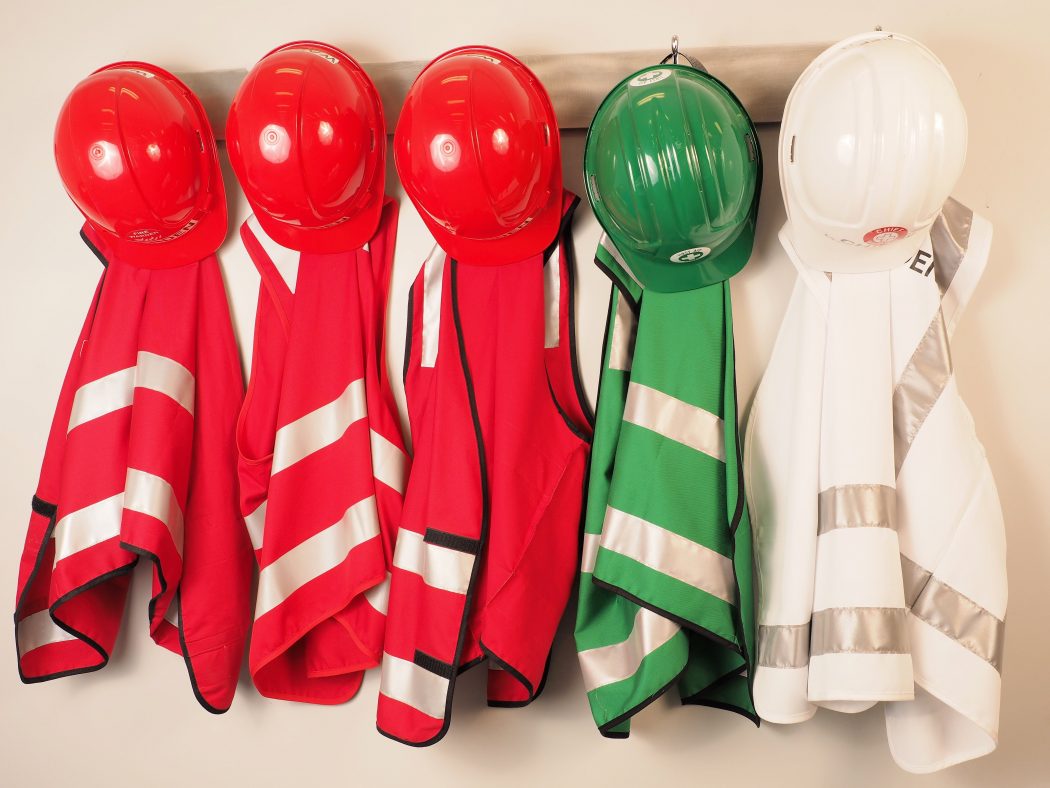
Identification conserves secs. A warden hat or vest that is consistent throughout a website aids individuals discover management in a crowd. Organisations typically inquire about fire warden hat colour and what colour helmet does a chief warden wear. The common convention in Australia under AS 3745 is red for wardens, white for primary wardens, and yellow for interactions officers, though some websites vary. The trick is to secure a standard in the emergency situation strategy, supply enough hats or vests, and make it noticeable in inductions.
Beyond hats, radios need charged batteries, lanyards require telephone call indications, and evacuation kits need material checks. An assessor will commonly examine the kit: layout, a lantern, high-visibility vests, secrets for safeguarded locations, a whistle for loud environments, and call checklists. It is unusual how usually a kit goes unblemished for a year, after that stops working under pressure.
How carriers run the analysis day
A regular day for PUAFER005 and PUAFER006 mixed training might look like this. Early morning covers expertise and micro-skills: emergency strategy review, security system, human practices, extinguisher types, and communications drills. After lunch, scenarios increase. Initially, an included occasion on a single flooring, then a multi-zone event with a complicating element such as a blocked egress or an injured person at the setting up area.
Assessment runs constantly behind-the-scenes. The assessor notes who takes initiative, who discolors, and exactly how directions are phrased. For fairness, every student is given a turn in the role matched to their training stream. A fire warden prospect will be tasked with an industry sweep and a communications action. A chief warden candidate will certainly run event control, assign wardens, and create a verbal handover to the instructor working as fire services.

The day ends with a debrief and comments. Qualified learners get declarations of accomplishment for the appropriate devices. Those that require more practice might be issued partial conclusions with a plan for reassessment.
Preparing for success
You do not require to become a fireman to pass a warden course, but you do need to approach it seriously. The most effective preparation is site-specific:
- Walk your evacuation courses. Utilize a peaceful time to stroll the primary and second routes and check for pinch factors like slim passages, security doors, or storage space creep. Note heavy doors that may challenge mobility-impaired staff. Learn the website strategy. Know your alarm system panel place, hydrant boosters, gas seclusion points, and risky areas. If you work in a lab, determine fume hood shutoffs and chemical shops. In a retail setup, focus on stockroom designs and loading docks. Practice the language. Rehearse a 10 to 15 second discharge message that is calm and regulation. Write one for an alert state and one for full emptying. Brevity is a skill. Know your individuals. Understand who needs added help and where they typically sit. Line managers can assist keep this listing current. Charge and check devices. Radios, spare batteries, emptying sets, and visitor sign-in systems are only useful if they work.
These actions do greater than assist you pass. They make you qualified when it counts.
Edge situations and judgment calls
Textbook scenarios rarely make it through call with reality. A couple of tricky examples illustrate the judgment assessors are searching for:
- Conflicting alarms. The panel reveals an alarm system on degree 4, however the odor of smoke is more powerful in the cellar. A solid chief warden does not ignore the senses. They send off a warden to every location, verify with the panel isolate and acknowledge features if educated and authorized, and call fire services early with the contrasting information. People refusing to leave. In nearly every drill, someone wishes to complete a job. A warden's role is persuasion, not enforcement, but their message must be firm. If the person refuses, the warden notes the location, relocates others on, and notifies the chief warden to ensure that details can be handed to fire crews if the scenario escalates. External risks. A fire outside the building can press smoke right into reduced levels through fresh air consumption. Blindly exiting to the nearest point might subject people to smoke. A chief warden could hold residents in a secured location or path to a second assembly factor upwind, something that ought to be preplanned and created into the emergency plan. Fire battling efforts. A warden with an extinguisher can knock down a tiny trash can fire promptly, but powder deposit can contaminate sensitive tools. We teach the balance in between asset security and safety and security. The default is life safety initially, with fire fighting only at incipient phase by qualified individuals, with a clear leave path. Mobility devices on staircases. Evacuation chairs are wonderful yet require technique. An analysis must consist of a demo, yet real use in a scenario relies on site plan. Some websites prefer haven points and fire crew help. Wardens need to recognize the selected method and use it consistently.
How typically to refresh and what to track
Emergency warden training is not a one-off occasion. For most offices, an annual refresher, plus engagement in drills, keeps currency. Risky atmospheres, such as aged treatment, health centers, and major danger centers, take advantage of six-monthly exercises. After each drill or incident, the chief fire warden ought to ensure a debrief document is created with activities, proprietors, and due dates.
Track the following as a minimum: warden lineup and training dates, drill days and engagement checklists, issues located during sweeps, equipment mistakes and rectification dates, and any modifications to floor designs that influence egress. If your organisation has several sites, appoint a planner to compare lessons across them. An obstructed departure in one warehouse is typically a sign to check the others.
Titles, hats, and visible leadership
People ask about chief warden hat colour or chief fire warden hat colour because presence issues. Lots of sites use white hats for chief wardens and red for wardens, often with "Chief Warden" or "Warden" printed front and back. Some swap hats for high-visibility vests with the same markings, which can be extra functional inside. The chief warden hat is more than a prop. It allows emergency situation services promptly determine who to come close to on arrival and aids staff locate management in a crowd.
Keep the signs consistent across all websites in a business. I once enjoyed a multi-tenant structure workout where one tenant Continue reading made use of green safety helmets for wardens. Confusion slowed the handover. A small fix, however revealing.
Choosing a carrier and training course fit
Not every warden training supplier is equal. Search for fitness instructors who inquire about your website thoroughly before the day, demand your emergency situation strategy, and recommend circumstances that match your risks. For a straightforward office, a half-day PUAFER005 course with site-specific walk-throughs may be ideal. For an university, plan an organized program: PUAFER005 for area wardens across buildings, complied with by a PUAFER006 course for a smaller sized group that will certainly work as chief wardens and replacements. Chief fire warden training must be anchored in your interactions systems and setting up methods, not a generic lecture.

If your site has a details threat account, inform the service provider. Battery energy storage space, cool areas with potential for entrapment, or heritage stairwells that traffic jam can be made right into the evaluation to emerge the right decisions.
What success looks like after the course
A successful fire warden course creates more than certifications. It leaves you with a working emergency control organisation, a tighter strategy, and a group of wardens that recognize each various other and trust their chief warden. In the weeks after training, great websites run a brief drill to seal discovering, check that changes from the debrief are carried out, and shut any actions. Wardens keep their hats or vests close by, radios have a home and a billing turning, and visitors obtain a clear induction on arrival.
When an alarm rings all of a sudden a month later, you will certainly feel the difference. Wardens stand, relocate, and speak to purpose. The chief warden's very first message is tranquil and succinct. People comply with. That is real analysis. The documentation matters, yet the genuine test is lived in the hallway, at the fire panel, and in the assembly location, under pressure, when it counts.
Take your leadership in workplace safety to the next level with the nationally recognised PUAFER006 Chief Warden Training. Designed for Chief and Deputy Fire Wardens, this face-to-face 3-hour course teaches critical skills: coordinating evacuations, leading a warden team, making decisions under pressure, and liaising with emergency services. Course cost is generally AUD $130 per person for public sessions. Held in multiple locations including Brisbane CBD (Queen Street), North Hobart, Adelaide, and more across Queensland such as Gold Coast, Sunshine Coast, Toowoomba, Cairns, Ipswich, Logan, Chermside, etc.
If you’ve been appointed as a Chief or Deputy Fire Warden at your workplace, the PUAFER006 – Chief Warden Training is designed to give you the confidence and skills to take charge when it matters most. This nationally accredited course goes beyond the basics of emergency response, teaching you how to coordinate evacuations, lead and direct your warden team, make quick decisions under pressure, and effectively communicate with emergency services. Delivered face-to-face in just 3 hours, the training is practical, engaging, and focused on real-world workplace scenarios. You’ll walk away knowing exactly what to do when an emergency unfolds—and you’ll receive your certificate the same day you complete the course. With training available across Australia—including Brisbane CBD (Queen Street), North Hobart, Adelaide, Gold Coast, Sunshine Coast, Toowoomba, Cairns, Ipswich, Logan, Chermside and more—it’s easy to find a location near you. At just $130 per person, this course is an affordable way to make sure your workplace is compliant with safety requirements while also giving you peace of mind that you can step up and lead when it counts.